
From modern outdoor activities like sensory bins to timeless activities such as obstacle courses and…
Children benefit from “Vitamin N,” otherwise known as time spent outdoors in nature as a way to support physical, social, emotional, and early learning development.
At Primary Beginnings, the educators at our 5-star Raleigh preschool see how much simple, fun, and engaging preschool nature activities for kids can impact learning and development. Whether it’s digging in soil, listening for birds, or noticing how trees change from early spring through winter, kids will use their senses, build gross motor skills, strengthen observation skills, and develop curiosity.
These teacher-approved ideas are perfect for preschoolers and elementary kids to move, explore, create, and ask questions about the world around them.
Quick-Scan Activity Guide
| Category | Activities Included |
| No-Prep Activities | 1. Nature Scavenger Hunt 2. Mud Kitchen or Mud Pies 3. Cloud Gazing 4. Color Matching Walk 5. Nature "I Spy" |
| Seasonal Ideas | 6. Paint With Nature (Spring) 7. DIY Sun Catchers (Summer) 8. Plant a Small Garden (Spring/Summer) 9. Autumn Acorn Collage (Fall) 10. Snow or Winter Sticks (Winter) 11. Pinecone Bird Feeders (Fall/Winter) |
| Nature STEM & Crafts | 12. Nature Bracelets 13. Sun Prints 14. The Micro-Hike 15. Nature Sorting Tray 16. Rain Gauge Weather Watch |
| Raleigh Nature Spots | 17. Neuse River Sound Hunt 18. Milburnie Park Texture Rubbing 19. Sal's Branch Trail Sun/Shade Comparison 20. Wilkerson Nature Preserve Mini Field Guide 21. Backyard Nature Basket |
How Exploring Nature Play Supports Early Learning
Nature play gives preschoolers and elementary-aged kids room to use their bodies, senses, and curiosity at the same time. A child may run, dig, climb, sort, count, draw, smell flowers, hear birds, and ask questions all during just one afternoon spent outdoors.
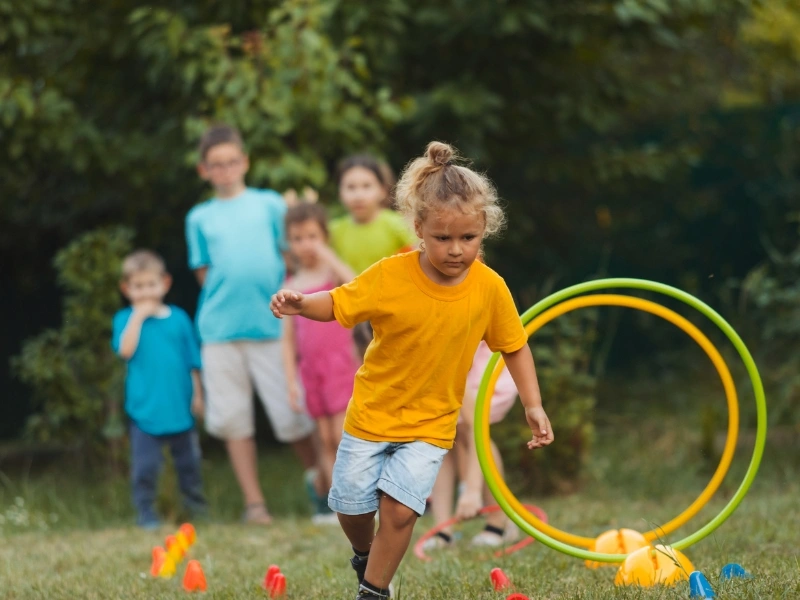
Nature activities can support:
- Social skills through sharing materials, taking turns, and exploring with friends
- Gross motor development through walking, running, climbing, and balancing
- Fine motor skills through collecting, gluing, painting, digging, and drawing
- Sensory processing through textures, sounds, smells, light, water, soil, and weather
- Early science skills through observing plants, animals, insects, and seasonal change
- Language development through describing shapes, colors, creatures, sounds, and discoveries
No-Prep Preschool Nature Activities for Kids
Parents often need ideas they can start right away. These no-prep nature activities for preschoolers don't require a craft bin, long supply list, or planned outing. A backyard, sidewalk, front porch, garden, or park can give children plenty to search for, describe, and discover.
1. Nature Scavenger Hunt
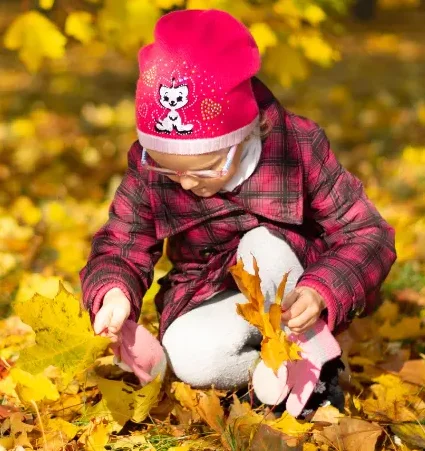
An outdoor scavenger hunt helps kids explore the nature around them with a clear purpose. Instead of asking kids to identify every single plant, tree, or species, give them simple prompts based on different textures, colors, sounds, and shapes.
- Best for: Preschoolers and elementary kids
- What you need: A backyard, park, sidewalk, or trail
Ask kids to find:
- Something fuzzy
- Something round
- Something yellow
- Something smooth
- Something that came from a tree
- Something a bird might use
- Something tiny
- Something that smells interesting
💡 What kids learn: Observation, vocabulary, comparison, movement, and curiosity.
2. Mud Kitchen or Mud Pies
Mud play can definitely become messy, but it is also one of the most memorable ways for kids to interact with natural materials outdoors. They can use dirt, water, sticks, rocks, leaves, pine cones, and old cups or spoons to pretend they are creating outdoor meals. It’s a fun (and messy) way to encourage kids to stretch their creative minds.
- Best for: Younger kids who enjoy sensory play
- What you need: Soil, water, sticks, rocks, leaves, and old kitchen tools
Kids can create:
- Mud pies
- Garden cakes
- Pretend soups
- Rock and leaf “meals”
- Stick-stirred recipes
- Nature restaurant menus
💡 What kids learn: Sensory processing, fine motor skills, creative thinking, and pretend play.
3. Cloud Gazing
Cloud gazing is a quiet, simple, and surprisingly engaging nature activity for kids. Lay a blanket in the backyard or at the park, look up to the sky, and ask children what shapes they see. This is a great way to see how different growing minds interpret shapes and often leads to a lot of silliness and laughing that creates positive memories in nature.
- Best for: A calm outdoor break
- What you need: A blanket and a clear view of the sky
Ask questions like:
- What shape do you see?
- Does that cloud look like an animal?
- Is the cloud moving fast or slow?
- What do you think it will look like in one minute?
- Can you describe it without pointing?
💡 What kids learn: Imagination, descriptive language, visual observation, and patience.
4. Color Matching Walk
A color matching nature walk helps children notice details they might usually pass by during a normal walk that doesn’t include an activity. Bring sidewalk chalk, crayons, or paint swatches outside and ask kids to find colors that match what they see in nature.
- Best for: Spring, summer, and fall walks
- What you need: Crayons, sidewalk chalk, or paint swatches
Colors kids can search for:
- Green grass
- Brown bark
- Yellow flowers
- Gray rocks
- Blue sky
- Red leaves
- Purple petals
- Black seeds or soil
💡 What kids learn: Color recognition, visual matching, focus, and attention to detail.
5. Nature “I Spy”
Nature “I Spy” can be played in a backyard, on a walk, or while sitting at a park. This simple game helps kids build vocabulary while paying closer attention to the people, animals, and objects around them.
- Best for: Walks, waiting time, or outdoor transitions
- What you need: No supplies
Try prompts like:
- I spy something that crawls.
- I spy something with wings.
- I spy something growing from the ground.
- I spy something that makes a sound.
- I spy something rough.
- I spy something tiny.
- I spy something that moves in the wind.
💡 What kids learn: Listening, vocabulary, observation, and descriptive thinking.
Seasonal Nature Activities for Kids
Each season gives children something different to observe. Spring brings flowers, bees, butterflies, and fresh growth. Summer gives families longer days and more outdoor time. Fall offers leaves, acorns, sticks, and cooler weather. Winter may feel quieter, but kids can still discover birds, ice, snow, animal tracks, pine cones, and bare trees.
6. Paint With Nature in Springtime
Painting with nature gives kids a hands-on way to use natural objects in art. Children can paint pictures of what they collected or use outdoor items as paintbrushes.
- Best for: Early spring through summer
- What you need: Paper or cardboard, washable paint, and natural objects
Natural paint tools can include:
- Leaves
- Flowers
- Grass
- Small sticks
- Pine needles
- Rocks
- Bark pieces
What kids can do:
- Dip each item in paint
- Test the print it makes
- Compare lines, dots, and textures
- Create a picture using only natural materials
💡 What kids learn: Creativity, texture, experimentation, and fine motor control.
7. DIY Summer Sun Catchers
DIY nature sun catchers are a fun summer activity because different colors and shapes of flower petals, leaves, and grasses are easy to collect. Once finished, kids can hang the items in a bright window and watch how sunlight passes through the colors.
- Best for: Sunny summer days
- What you need: Clear contact paper, petals, leaves, grasses, and string
Kids can use:
- Flower petals
- Small leaves
- Thin grasses
- Fern pieces
- Soft seed pods
- Tiny flat natural objects
What kids can do:
- Arrange the materials on contact paper.
- Seal them with another piece of contact paper.
- Hold the sun catcher up to the light.
- Describe the colors and shapes they see.
💡 What kids learn: Art, light, color, design, and observation.
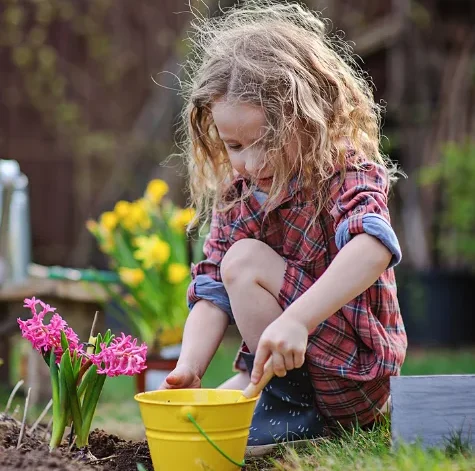
8. Plant a Small Garden
Planting a garden can teach toddlers and elementary-aged kids about patience and responsibility while learning about food cycles, soil, weather, and how different living things grow and thrive. Adults can manage the bigger steps involved, while kids help with age-appropriate tasks like watering, planting seeds, digging, and identifying growth.
- Best for: Spring or summer
- What you need: Seeds or small plants, soil, water, and a garden bed or container
Easy plants to try:
- Basil
- Mint
- Cherry tomatoes
- Marigolds
- Sunflowers
- Lettuce
- Strawberries
Jobs kids can help with:
- Placing seeds
- Watering plants
- Pulling small weeds
- Watching for sprouts
- Checking leaves
- Noticing bugs and birds nearby
💡 What kids learn: Responsibility, patience, plant life cycles, and where food can come from.
9. Autumn Acorn Collage
If acorns are easy to find in your yard or neighborhood, children can collect them along with small sticks, leaves, grass, and other safe outdoor materials. Then they can arrange everything into a simple collage.
- Best for: Fall craft time
- What you need: Acorns, paper, glue, leaves, sticks, and crayons
Kids can include:
- Acorn tops
- Small leaves
- Twigs
- Grass
- Pine needles
- Seed pods
- Drawn details
What kids can create:
- A large acorn shape
- A fall tree
- A forest floor scene
- A pattern or border
- A nature picture with drawn animals
💡 What kids learn: Sorting, arranging, creativity, and fine motor skills.
10. Building With Snow or Winter Sticks
When snow arrives, kids can build a snowman, snow animal, or small snow fort as a fun way to engage with nature. If there is no snow, they can collect sticks and create small structures on the ground instead.
- Best for: Winter creativity
- What you need: Snow or sticks, plus gloves if needed
Kids can build:
- Snow people
- Snow animals
- Mini forts
- Stick houses
- Twig towers
- Pretend animal shelters
- Nature shapes on the ground
💡 What kids learn: Building, balancing, testing ideas, creativity, and gross motor skills.
11. Pinecone Bird Feeders
Collecting items and putting them together to build pinecone bird feeders helps young minds explore details about different bird species, food sources, and winter wildlife. Pinecone bird feeders are simple to make and give children something to observe after the craft is complete.
- Best for: Winter or fall
- What you need: Pine cones, birdseed, twine, and peanut butter or sunflower butter
How to make one:
- Tie twine around the pinecone.
- Spread peanut butter or sunflower butter on the pinecone.
- Roll it in birdseed.
- Hang it outside.
- Watch for birds from a safe distance.
🥜 Nut-free tip: Use sunflower butter for classrooms or households avoiding peanut products.
💡 What kids learn: Animal care, observation, responsibility, and food sources.
Nature STEM Activities and Crafts for Curious Kids
Nature activities for kids can support early science, math, art, and language skills without feeling like a formal lesson. These outdoor STEM activities help curious minds explore the natural world around them in a fun and easily engaging way. Here are some of your 5 favorite nature lesson plans for preschoolers.
12. Nature Bracelets
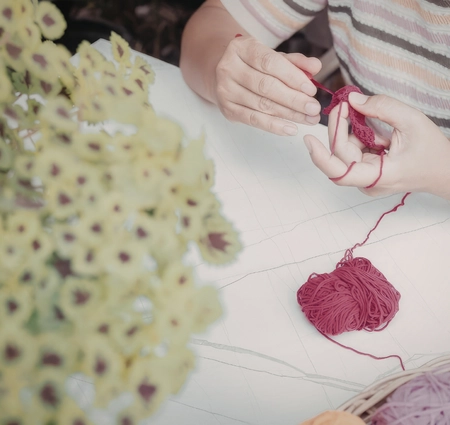
Making nature-themed bracelets is easy for kids because they can collect the bracelet materials during walks, then, while sitting on a picnic blanket or in their backyard, they can put their natural materials together into something they can wear or gift to a parent, sibling, friend, or other loved one. This activity encourages kids to look closely at the nature around them before choosing what items would be good for their natural jewelry.
- Best for: Walks, parks, and backyard exploration
- What you need: Tape and small natural objects
How to make one:
- Wrap tape around the child’s wrist with the sticky side facing out.
- Let the child collect small, lightweight items.
- Press each item gently onto the tape.
- Talk about the colors, shapes, and textures.
Good bracelet items include:
- Tiny leaves
- Flower petals
- Soft grasses
- Small seed pods
- Thin pieces of bark
- Pine needles
💡 What kids learn: Fine motor skills, observation, choice-making, and sensory awareness.
13. Sun Prints
Sun prints introduce kids to the way sunlight can affect color. This activity blends science and art in a way that is easy for kids to observe and understand, supporting their natural curiosity and early cognitive development.
- Best for: Bright sunny days
- What you need: Dark construction paper and flat natural objects
How to do it:
- Place leaves, flowers, or flat objects on dark paper.
- Leave the paper in direct sunlight.
- Wait a few hours.
- Remove the objects.
- Look for the lighter shapes left behind.
Natural objects to try:
- Leaves
- Ferns
- Flowers
- Grass
- Small sticks
- Flat seed pods
💡 What kids learn: Sunlight, shadows, color change, patience, and cause and effect.
14. The Micro-Hike
A micro-hike turns one small patch of ground into a full nature lesson. Instead of covering a long trail, kids learn to slow down and study one small area of grass, dirt, or sand closely.
- Best for: Curious kids who like bugs, plants, and tiny details
- What you need: A piece of string and a small patch of grass, garden, or woods
How to do it:
- Use string to mark a one-foot circle.
- Sit or crouch near the circle.
- Count everything living or natural inside it.
- Talk about what you find.
Kids may discover:
- Ants
- Small plants
- Blades of grass
- Soil
- Pebbles
- Roots
- Tiny bugs
- Seeds
💡 What kids learn: Close observation, counting, focus, and respect for small living things.
15. Nature Sorting Tray
A nature sorting tray gives kids a hands-on way to classify natural materials. This can be done with a muffin tin, egg carton, paper plate, or small tray.
- Best for: Preschool and early elementary math skills
- What you need: A tray and collected natural objects
Kids can sort by:
- Color
- Size
- Shape
- Texture
- Type
- Weight
- Where the item was found
Objects to collect:
- Rocks
- Leaves
- Sticks
- Pine cones
- Flower petals
- Seed pods
- Bark pieces
💡 What kids learn: Sorting, classification, comparison, early math, and descriptive language.
16. Rain Gauge Weather Watch
A simple rain gauge helps toddlers and early elementary school learners observe weather, measure rainfall, and connect outdoor changes to numbers. This science-based activity for kids works well after a rainy week or during spring and summer storms when children can compare the amount of water that collects over time.
- Best for: Preschoolers and elementary kids
- What you need: A clear plastic cup or jar, ruler, marker, tape, and a safe outdoor spot
How to do it:
- Place a ruler along the side of the cup or jar.
- Mark simple measurement lines with a marker.
- Set the container outside before it rains.
- Check the water level after the rain stops.
- Record or talk about how much rain collected.
Ask kids to observe:
- Did it rain a little or a lot?
- Is the soil wet or dry afterward?
- Are there puddles nearby?
- Do plants look different after the rain?
- Did birds, worms, bugs, or other creatures appear afterward?
💡 What kids learn: Measurement, weather observation, cause and effect, early math, and how rain affects plants, soil, and wildlife.
Activities for Kids to Explore at Popular Raleigh Nature Spots
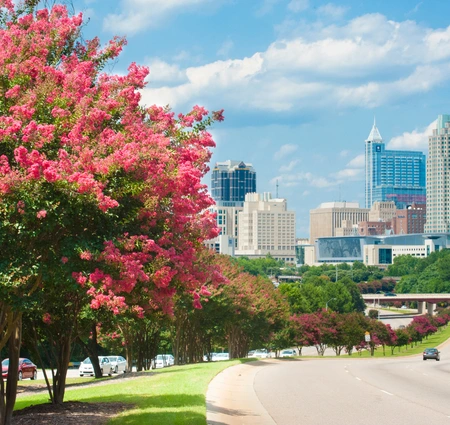
Raleigh-area families have access to many greenways, wooded trails, river views, and nature preserves where children can explore and participate in their favorite outdoor activities in a more hands-on way. Before visiting, check current hours, trail conditions, and park rules so your family can plan an outing that fits your child’s age and energy level.
17. River Sound Hunt at the Neuse River Greenway Trail
The Neuse River Greenway Trail is a strong choice for families who want an easy walking surface with changing views along the way. The trail includes scenic views of the Neuse River, boardwalk areas through wetlands, and other natural features that give kids plenty to notice.
Ask kids to complete a river sound hunt as you walk. Instead of only looking for things, have them listen closely and identify different sounds around the trail, as there are many bird species, trees and leaves, and the nearby river that will engage a child’s senses.
- Best for: Preschoolers and elementary kids who enjoy walks, water views, and listening games
- What you need: Comfortable shoes, water, and optional paper or crayons
Kids can listen for:
- Moving water
- Birds
- Wind in the trees
- Insects
- Leaves underfoot
- Bikes passing by
- Footsteps on the trail
- Animals moving nearby
Additional activity ideas:
- Count how many different birds they see.
- Look for smooth rocks near safe trail areas.
- Draw something they noticed after the walk.
- Compare shady sections and sunny sections.
- Point out signs, bridges, boardwalks, and river views.
💡 What kids learn: Listening, focus, observation, patience, and awareness of how water, trees, birds, insects, and people share the same outdoor space.
18. Texture Rubbing Walk at Milburnie Park
Milburnie Park gives local families a place for slower exploration near the Neuse River Trail access area. It works well for a shorter outdoor visit when parents want a simple nature activity without planning a long hike.
During your short walk, help kids find safe natural textures they can capture on paper, such as tree bark, leaves, flat stones, or sturdy sticks.
- Best for: Younger kids who like hands-on art and collecting textures
- What you need: Paper, crayons, and a small folder or clipboard
Kids can make rubbings from:
- Tree bark
- Leaves
- Flat rocks
- Large sticks
- Pine cones
- Outdoor surfaces along the walk
Additional activity ideas:
- Play nature “I Spy” before heading home.
- Look for pine cones, sticks, or rocks to sort.
- Compare rough and smooth textures.
- Bring crayons for a color matching walk.
- Sit quietly and describe what you hear.
💡 What kids learn: Texture, comparison, fine motor skills, descriptive language, and early observation skills.
19. Shade and Sun Comparison Walk on Sal’s Branch Trail
Sal’s Branch Trail in William B. Umstead State Park gives kids a wooded setting where they can explore shade, trees, natural textures, and signs of various forms of wildlife. The official state park trail listing identifies Sal’s Branch Trail as a 2.8-mile moderate hiking loop.
Have kids compare sunny spots and shady spots along the trail. Ask them to notice how the air, soil, plants, and sounds feel different depending on where they are standing.
- Best for: Families with kids who are ready for a longer nature walk
- What you need: Comfortable shoes, water, and optional field guides
Kids can compare:
- Warm air versus cooler shade
- Dry soil versus damp soil
- Bright leaves versus darker leaves
- Open areas versus wooded areas
- Louder areas versus quieter areas
Additional activity ideas:
- Try a quiet minute and listen carefully.
- Look for different leaf shapes.
- Search for signs of wildlife.
- Count tree roots along part of the trail.
- Use field guides to identify common plants, birds, or animals.
💡 What kids learn: Weather awareness, sensory observation, comparison, patience, and respect for wooded outdoor spaces.
20. Mini Field Guide Walk at Annie Louise Wilkerson, MD Nature Preserve Park
Annie Louise Wilkerson, MD Nature Preserve Park is a helpful Raleigh spot for families who want a more nature-focused outing. The preserve includes 157 acres and five loop trails, with natural-surface walking trails that offer children a chance to slow down and observe plants, trees, wildlife, and seasonal changes.
Use a trip here as a reason to create a mini field guide. Ask children to choose three things they see, then draw each one and describe it with simple words.
- Best for: Curious kids who like field guides, nature journals, and close observation
- What you need: Paper, crayons or pencils, and optional binoculars or a child-safe magnifying glass
Kids can document:
- One plant
- One tree
- One bird
- One bug
- One rock
- One leaf
- One animal track or sign of wildlife
Additional activity ideas:
- Draw leaf shapes in a nature journal.
- Look for birds in the trees.
- Compare natural trail surfaces with paved sidewalks.
- Search for signs of seasonal change.
- Talk about how animals use trees, soil, water, and plants.
💡 What kids learn: Nature journaling, observation, early science language, drawing, species awareness, and curiosity about the natural world.
21. Five-Minute Nature Basket in Your Own Backyard or Neighborhood Sidewalk
Not every nature activity needs a full outing. Children have plenty of opportunities to explore leaves, bugs, birds, rocks, plants, sticks, sidewalk chalk drawings, and weather changes right outside the house in their own backyards.
Use your own Raleigh-area property as the home base for creating a five-minute nature basket. The goal is to make outdoor learning easy enough to do between school, dinner, errands, or weekend plans.
- Best for: Busy weekdays, younger kids, and quick outdoor breaks
- What you need: A small basket, crayons, paper, child-safe binoculars, or a magnifying glass
Add simple supplies like:
- Crayons
- Small paper sheets
- Sidewalk chalk
- Child-safe binoculars
- A magnifying glass
- A small collection cup
- A simple field guide
Additional activity ideas:
- Draw a leaf or rock.
- Look for bugs after rain.
- Listen for birds.
- Match sidewalk chalk colors to nature.
- Sort sticks, rocks, or leaves.
- Watch how the weather changes during the day.
💡 What kids learn: Everyday observation, independence, creativity, sensory awareness, and the idea that nature can be found close to home.
Support Early Learning in Nature at Our Raleigh 5-Star Preschool
At Primary Beginnings, outdoor exploration is a natural part of how young children learn. Our Raleigh preschool teachers understand that children do not need every moment scripted to benefit from outdoor time. Sometimes the most engaging lessons happen when a child finds a bug, notices a new flower, watches birds near the playground, or asks a question about the weather.
Our 5-star Raleigh preschools provide age-appropriate preschool nature activities, caring teachers, and thoughtfully planned learning experiences so that kids have opportunities to explore, create, discover, and grow.
To learn more or schedule a visit to one of three locations in North Raleigh, contact our Spring Forest Road location at 919-790-6888, Falls of Neuse Road location at 919-615-0752, or North Hills Drive location at 919-785-0303.