
Preschoolers can be pretty picky when it comes to eating dinner, and the last thing…
Two children crying over one toy is a familiar part of everyday life for many parents. Sharing can feel simple to adults, but for young children, it involves patience, communication, empathy, impulse control, and trust. That's why knowing how to encourage kids to share toddlers to share requires patience because sharing skills develop over time. A preschooler is still learning how to manage feelings, understand other people's feelings, and wait for something they really want.
When introducing the importance of sharing during early childhood, the goal is not to force sharing in every moment. Instead, it's to help kids understand why sharing is important, practice turn taking, and build the social skills they need to thrive at home, at school, and with friends.
We’re going to suggest 7 tips that can help make teaching sharing to preschoolers easier at home. Whether it’s with siblings, friends, or family, toddlers can learn to be better sharers and maybe even help their friends be better at it too.
When Are Children Developmentally Ready to Share?
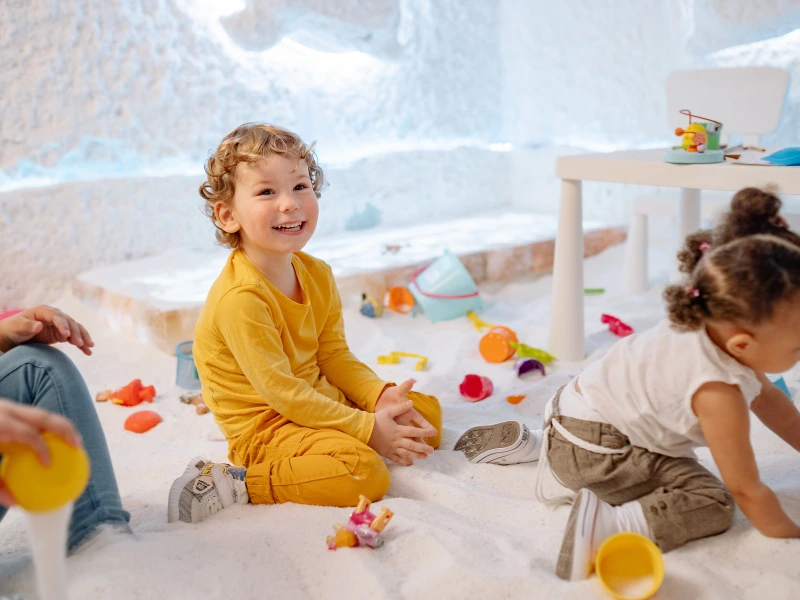
Most children are not developmentally ready to truly understand sharing until around age 3 or 4. Kids younger than 3 may still be in parallel play, which means they often play near another child rather than with another child.
At this stage, a toy, whether it's a favorite one or just one they chose to play with in the moment, can feel very personal. Many toddlers see their own things as part of their comfort and security, so giving something to another child may feel like a much bigger to them than it looks from the outside. This is because they have not gone through the emotional development stage where they learn to regulate feelings and reactions.
That does not mean parents should wait to start teaching, especially when it comes to children entering preschool classrooms, where they will be faced with sharing on a regular basis. It means the best approach is to model good sharing, keep expectations realistic, and let each child's ability grow at their own pace.
Here is a general child development timeline parents can keep in mind when learning how to teach kids to share:
- Ages 1 to 2: Toddlers are usually not ready to understand true sharing. They may play beside other children, but they are still learning what ownership, waiting, and turn taking mean.
- Around age 2: Some children may begin to notice when another child wants a toy, but they still need a lot of adult help. Short turns, simple words, and modeling sharing behavior are most helpful at this stage.
- Ages 3 to 4: Many preschoolers begin to understand sharing and turn taking more clearly. They may still need reminders, timers, and encouragement, but they are starting to connect sharing with play, friendship, and other people's feelings.
- Ages 5 and older: Young children often have stronger empathy and better self-control. They may be more able to wait, problem-solve, and understand why sharing matters in group play.
Every child develops differently, so this timeline is not a strict rule. Some children need more practice, and that is okay. The goal is to keep teaching, encouraging, and giving children safe opportunities to practice sharing over time.
How Can I Encourage My Child to Share?
How to teach kids sharing matters without creating power struggles, start with small, repeatable moments. Children learn best when adults give them clear examples, simple words, and time to practice.
These strategies can help parents encourage positive sharing behavior while still respecting a child's own needs and feelings.
1. Focus on Modeling Sharing Behavior
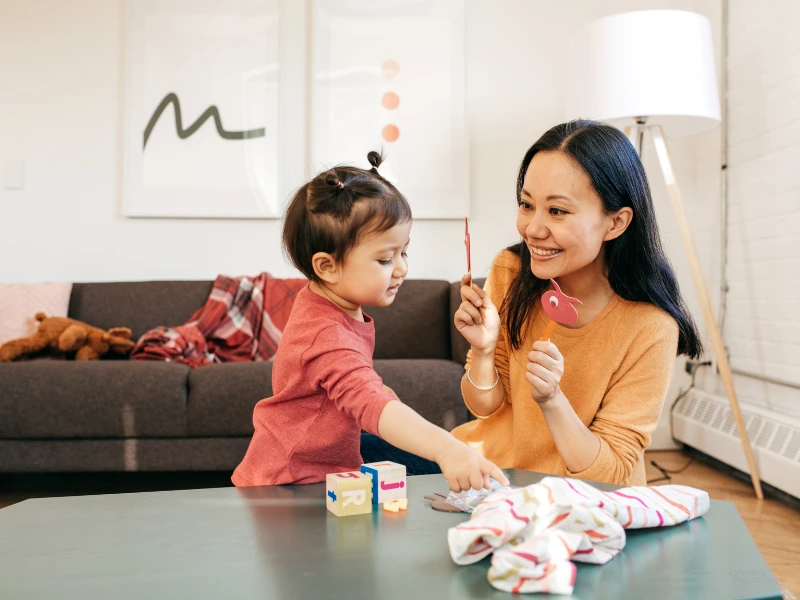
Parents wondering how to teach my four year old to share can start by modeling the behavior at home. Simple phrases like “Would you like a turn when I’m done?” or “Let’s share these crayons so we can both color.” help children connect sharing with positive social interactions.
Modeling sharing behavior also helps children connect the action with the feeling. They begin to see that sharing can make play more fun and help other people feel included.
2. Prioritize Turn Taking Over Forcing Children to Share
Forcing children to hand over a toy right away can make sharing feel scary or unfair. A child may only learn that the bigger or louder person gets control of the toy.
Turn taking is often a better first step. Instead of saying, “Give that to your friend,” try, “It is your turn now, then it will be your friend’s turn.”
This teaches children that sharing does not mean losing something forever. It also gives both children a clear expectation, which can make the wait feel easier to manage.
3. Use Visual Timers to Manage the Wait
Young children do not always understand what “five minutes” means. A visual timer, sand timer, or phone clock can help a child understand when the other child will get a turn and when their own turn will come back. This is a great learn to learn how to encourage kids to share.
Say, “You can play with the truck until the timer beeps. Then it is your friend’s turn.” The timer becomes the guide instead of the adult seeming like the person taking the toy away.
Visual timers can be especially helpful at school, during playdates, or when two children both want the same item.

4. Use Positive Reinforcement and Praise Sharing
Praising your child when they share works best when you give specific reinforcement. Instead of only saying, “Good job,” describe the sharing behavior you noticed.
You can say, “You gave your friend a block so they could build too,” or “You waited for your turn even though it was hard.” That kind of encouragement helps children understand exactly what they did well.
Positive feedback does not have to be big or dramatic. A warm tone, a smile, and a specific comment can help kids feel proud of their progress.
5. Protect a Few Special Toys
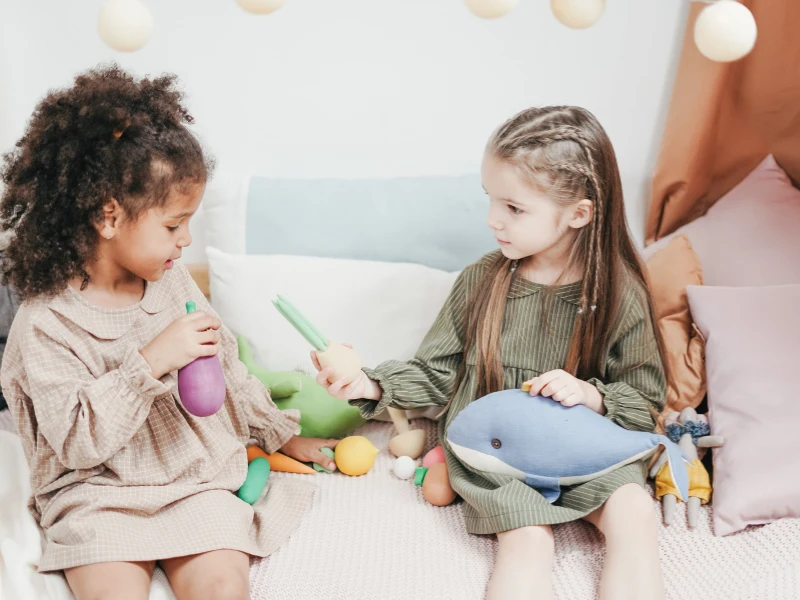
Some toys feel especially important to a child. A favorite stuffed animal, blanket, truck, or doll may represent comfort and security, not just play.
Before a friend comes over, help your child choose two or three special toys to put away. Let them know those toys do not have to be shared during the playdate.
This can make children more willing to share other items because they know their most important belongings are safe. It also teaches a practical lesson: sharing is important, but children can still have boundaries.
6. Play Group Games That Teach Sharing
Make sure you practice the concept of sharing during times of low-pressure play. Games that naturally involve taking turns can help children build sharing skills without feeling like they are being corrected. For families asking how to teach my four year old to share, playtime offers many natural teaching moments. Board games, pretend play, and group activities can help children practice waiting, trading, and offering toys to others.
Simple activities may include rolling a ball back and forth, taking turns adding pieces to a puzzle, building one block tower together, or sharing pretend food in a play kitchen.
These activities teach children that sharing can help a group create something fun. They also give parents and teachers natural moments to point out good sharing as it happens.
7. Validate Their Feelings in Tricky Situations
Learning how to encourage kids to share includes a lot of compassion. When thinking about how to teach my four year old to share, remember that preschoolers are still developing emotional regulation. Gentle reminders, praise, and consistent routines can make sharing feel less stressful and more rewarding.
Instead of rushing past those a toddler's emotions, name them calmly. You might say, “I know it is hard to wait,” or “You really wanted to keep playing with that toy.”
Validating feelings does not mean letting one child keep everything. It means helping children feel understood while still guiding them toward turn taking, developing problem-solving skills, and being kind.
What Parenting Rules Can Help With Sharing?
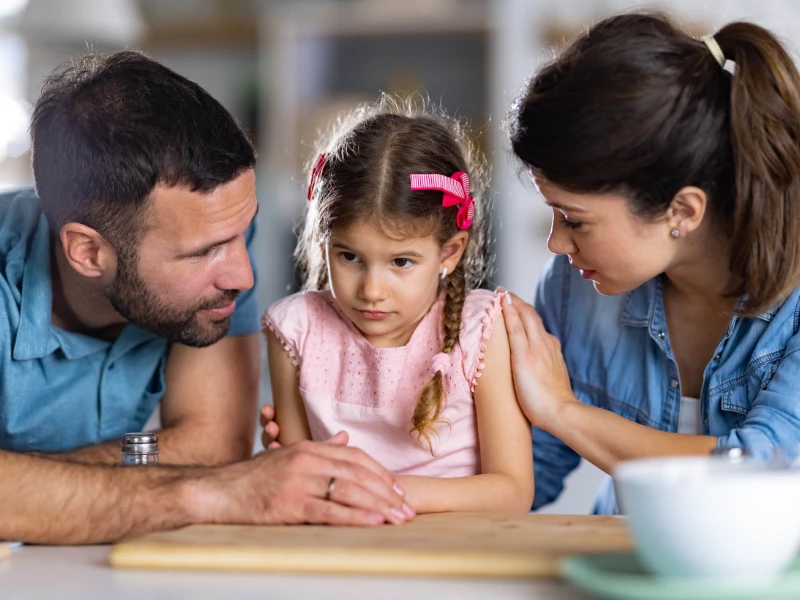
There are several popular parenting frameworks that give families simple ways to help toddler’s navigate stressful moments, including learning to share. These “rules” are not magic fixes, but they can support emotional security, which often makes sharing easier.
What Is the 7-7-7 Rule for Parents?
The 7-7-7 rule is a connection-focused parenting idea that encourages parents to spend seven minutes of distraction-free time with their child at three key points in the day:
- First thing in the morning
- After school or work
- Before bedtime

That connection can make a difference for toddlers. A child who has had focused attention from a parent may feel more secure when they need to wait, take turns, or share attention with another child. This does not need to be complicated. Reading a short book, sitting together at breakfast, or talking quietly before bed can help a child feel seen.
What Is the 3-3-3 Rule for Toddlers?
The 3-3-3 rule is often used as a calming technique. When a child feels overwhelmed, a parent can ask them to:
- Name three things they see
- Name three sounds they hear
- Move three parts of their body
This can help preschool aged-children pause when feelings are intense. If a toy conflict has become too emotional, this simple grounding activity can help the child calm down before trying again. A calmer child is usually better able to listen, understand, and practice sharing.
What Is the 10-10-10 Rule for Kids?
The 10-10-10 rule can be used in two helpful ways. Some parents use it as a connection routine, with:
- 10 minutes of undivided attention after waking up
- 10 minutes after reuniting later in the day
- 10 minutes before bed
Other parents use 10-10-10 as a decision-making tool during stressful parenting moments. The parent will ask themself, “Will this matter in 10 minutes, 10 months, or 10 years?” That question can help parents pause before forcing a share that may not be worth a power struggle. It can also help adults choose a calmer response, such as offering a timer, suggesting another toy, or helping both children take turns.
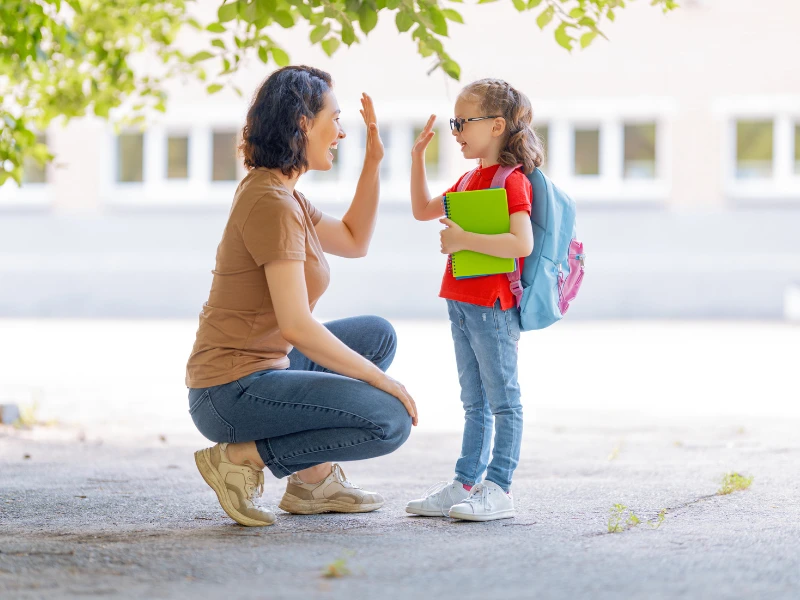
Build Foundational Skills at Our 5-Star Preschool in Raleigh
At Primary Beginnings, children are encouraged to build social-emotional skills through guided play, classroom routines, and positive peer interactions. This supportive environment helps children practice important skills like sharing, patience, and cooperation every day.
To learn more about our 5-star pre-k programs, schedule a tour at one of our three North Raleigh locations. Contact our Spring Forest Road location at 919-790-6888, Falls of Neuse Road location at 919-615-0752, or North Hills Drive location at 919-785-0303, or fill out our contact form below to get started.