
While children most likely celebrate at school with their peers, it’s also fun to celebrate…
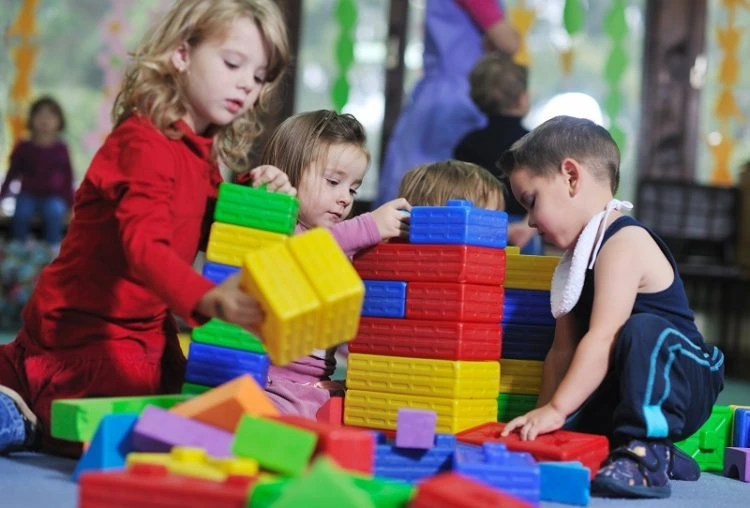
The first day of preschool is an exciting moment in your child’s life, but it can also come with mixed emotions for both you and your little one. While many young children feel eager to meet new friends and explore their new environment, it’s normal for them to feel some anxiety about starting preschool.
Our early childhood educators at Primary Beginnings, a 5-star preschool in Raleigh, are here to help. With thoughtful preparation, you can help your child begin the school year feeling confident, calm, and ready for a positive experience.
Table of Contents
1. Talk About the First Day of Preschool Early and Often
Preparing for the first day of preschool should begin weeks ahead of time. Talking regularly about school, the classroom, and what to expect helps turn something unfamiliar into something predictable and reassuring.
Introduce What to Expect
Start by describing simple details: where they will hang their child’s belongings, what kinds of fun activities they might try, and how read aloud time works. Children often feel more relaxed when they understand the flow of the day and know what new things they’ll encounter. Helping your child imagine the experience reduces separation anxiety and builds excitement for starting school.
Practice Talking About Feelings
Young children experience big feelings before the first day, and talking openly helps them understand that it’s normal to feel unsure. Share a time you were nervous about something new, and explain how you overcame those feelings. This helps your child understand that everyone feels this way sometimes, including teachers, parents, and older children.
Use Books From Your Local Library
Your local library is full of wonderful books about starting preschool, making friends, and navigating a new routine. Reading together creates space to answer questions and reinforce that school is a safe and exciting place. These stories also help children see characters working through separation anxiety, which reassures them before the day of preschool arrives.
2. Build a Morning Routine Before Preschool Starts
A predictable morning routine helps your child feel grounded and prepared. When a new schedule is introduced early, the transition becomes smoother for both you and your little one.
Begin Practicing Your New Schedule
Start waking your child at the same time each day and practicing the steps that lead up to leaving for school. Simple habits like eating breakfast, brushing teeth, and getting dressed at consistent times help the first few days feel familiar. These small adjustments make the first day of preschool more peaceful and less rushed.
Introduce Short Periods of Structured Time
During the weeks before preschool starts, introduce short, structured activities that mimic the rhythm of the school morning. You might try a brief clean-up period, a small activity at the table, or packing their bag together. Short practice moments help children begin to understand the flow of a new routine.
Use Visual Charts for Small Victories
Visual reminders or checklists are helpful tools for young learners. These charts help reinforce what comes next and give your child a sense of accomplishment when they complete tasks. Celebrating these small victories boosts confidence and encourages independence before starting preschool.
3. Give Your Child a Sneak Peek of the School
Becoming familiar with the preschool helps ease first-day nerves. A preview of the toddler classroom and teachers gives your child a sense of comfort and makes the transition smoother once the big day arrives.
Visit the Preschool When Possible
If the school allows tours, visit together so your child can meet their child’s teacher and explore the classroom. Seeing toys, books, and play areas in person helps them understand that the new environment is welcoming. A preschool tour also helps you start building communication with teachers, which supports a strong home–school connection.
Point Out Familiar Paths
If a tour isn’t possible, simply driving by the building or walking around the campus helps your child begin recognizing the space. Repeated exposure makes the day of preschool feel less surprising and more predictable. Even a quick walk around the outside can reduce first-day anxiety.
Talk About What They Notice
Encourage your child to share what they see and what looks exciting. These conversations help you learn what they may be feeling unsure about and what they already look forward to. Talking through their observations helps both you prepare emotionally for the first day.
4. Let Your Child Help Make Decisions
Children feel more confident and capable when they have a voice in preparing for the first day of preschool. This sense of empowerment reduces first-day worries and increases enthusiasm for starting preschool.
Involve Them In Picking Supplies
Allow your child to choose their backpack, lunchbox, or a small storage spot at home where they keep their things. Ownership over these items helps them feel responsible and excited about school. It also helps create an early sense of independence.
Pack Comfort Items Thoughtfully
If your preschool allows comfort items, let your child choose a small toy or a photo of a family member to keep in their cubby. These familiar pieces provide reassurance when feelings of anxiety appear. Over time, your child may need the item less as their comfort in the classroom grows.
Teach Responsibility for Their Child’s Things
Before the first day, practice packing their bag together and keeping track of their jacket or cup. This builds helpful habits that support independence in the classroom. It also helps them feel more confident managing their belongings in a new environment.
5. Plan for Separation Anxiety on the First Day of Preschool
Even if children seem excited, separation anxiety can appear suddenly on the first day. Preparing ahead of time helps your child move through this moment more comfortably.
Stay Positive During Drop-Off
Children are sensitive to the emotions of adults around them. When you stay positive, your child senses that school is a safe, happy place. A confident goodbye helps eliminate hesitation and gives your child the reassurance they need.
Stick to Short Goodbyes
Long goodbyes can heighten anxiety, making it harder to settle in. A warm hug, a simple reassurance, and a quick exit help your child ease into the new routine. These moments also help establish trust between families and teachers.
Trust the Teachers
Your child’s teacher has experience helping young children navigate the first-day transition. They will stay with your little one, guide them toward fun activities, and help them begin playing with new friends. Leaning on the teacher’s expertise makes the adjustment easier for both you and your child.
6. Encourage Independence Before Preschool Starts
Independence empowers children and helps them feel secure during the first day of preschool. Practicing small skills at home makes starting preschool feel less overwhelming.
Practice Dressing and Potty Training
Encourage your child to zip coats, put on shoes, and participate in final steps of potty training. These everyday skills make the school experience feel more manageable. Mastering them boosts confidence during the early days of the school year.
Introduce Self-Help Skills Through Play
Give opportunities for your child to practice pouring their own drink, cleaning up toys, or opening snack containers. These playful practice moments turn independence into something fun. Over time, these skills help them feel more capable in the classroom.
Begin Problem-Solving Through Fun Activities
Offer simple puzzles, building tasks, or pretend scenarios that encourage thinking and decision-making. These fun problem-solving activities help children adjust to the learning environment at preschool. Small challenges at home make bigger challenges at school feel more manageable.
7. Help Your Child Build Social Comfort
Meeting other children and making new friends is a joyful part of preschool, but it can also feel intimidating at first. Preparing socially helps your child feel confident engaging with peers.
Schedule Small Play Opportunities
Short playdates or parent–child meetups give children chances to practice sharing, communicating, and taking turns. These interactions prepare them for playing and participating with classmates on the first day of preschool. Social practice also helps reduce first-day anxiety.
Visit Familiar Community Spaces
Try attending story hours, activity sessions, or open play times at your local library. These experiences introduce group settings similar to read aloud time at school. Being in community spaces helps children feel comfortable in larger groups before preschool starts.
Talk About Making Friends
Explain how to say hello, ask to join in, or share a toy. These small social scripts help children navigate the new environment during the first day. Building social confidence ahead of time leads to a smoother transition.
8. Make the First Day of Preschool Go Smoothly
The day of preschool is finally here, and simple planning can help it go smoothly. A calm, supportive morning helps your child step into their classroom feeling secure and understood.
Arrive Early
Aim to arrive a few minutes before drop-off so your child has time to explore the room without rushing. Early arrival helps them settle into the new environment and reduces first-day jitters. This quiet moment can make the transition much easier.
Help Them Get Comfortable
Show them where their cubby is, point out fun things around the room, and gently guide them toward toys or activities they already enjoy. This helps them feel connected and engaged right away. These familiar moments promote confidence as the first day begins.
Leave Confidently
Offer a warm goodbye, remind your child when you’ll visit again, and leave without lingering. Confident departures show your child they are safe and cared for. Trusting the process helps children build independence from the very first day.
FAQs About the First Day of Preschool
What should a 3-year-old know for preschool?
A 3-year-old should be able to follow simple directions, express basic needs, and participate in short group activities. They don’t need academic skills—what matters most is readiness for social interaction and a willingness to explore.
What is the ideal age to start preschool?
Most children start preschool between ages 3 and 4, depending on readiness and the child’s temperament. Families should choose the timing that best fits their routine and the child’s social development.
What should I say on the first day of preschool?
Simple, reassuring phrases work best: “You’ll have fun,” “Your teacher will help you,” and “I’ll come back soon.” Keeping language positive sets the tone for a successful first day.
Visit Primary Beginnings for a Positive First Day of Preschool
Choosing the right preschool makes the first day meaningful for your family. At Primary Beginnings, we provide nurturing classrooms, engaging learning experiences, and supportive teachers who make starting preschool joyful.
Contact our Raleigh preschool today to schedule a tour and learn more about our early childhood programs. Call our North Hills Drive location at (919) 785-0303, our Spring Forest Road location at (919) 790-6888, our Falls of Neuse Road location at (919) 615-0752, or fill out our contact form below to get started.