
With the Triangle constantly making “top” lists for families, activities for toddlers are absolutely necessary.…
Toddlers usually do not need much encouragement to get involved in something messy. Give them a tray of paint, a scoop of rice, or a cup of colored water, and they tend to jump right in. What looks like simple play is actually a form of sensory fun where a child learns what different materials feel like, what their hands can do, and what happens when they pour, press, smear, or mix.
At Primary Beginnings, the educators at our 5-star Raleigh preschool often introduce toddlers to different textures through sensory play that supports hand-eye coordination and brain development. We are sharing these activities so parents can support their toddler's sensory development at home.
Table of Contents
The Benefits of Sensory Play for Toddlers
Sensory play works well for toddlers because it gives children something they can get involved in right away. Most toddlers want to jump right into touching, moving, pouring, and scooping. Even though these may seem like simple actions, sensory play offers many benefits to the developing minds of 2-year-olds and 3-year olds.
Advantages of sensory activities for toddlers include:
- Hands-on learning: Toddlers learn by touching, pouring, mixing, and repeating simple actions.
- Development of fine motor skills: Scooping, squeezing, and picking things up helps strengthen little hands.
- New sensory experiences: Children get to try different textures, temperatures, and materials.
- Natural early learning: Simple play helps toddlers notice how things look, feel, and change.
- Attention and focus: Sensory play can help toddlers stay with one activity a little longer.
Easy Sensory Activities for Toddlers to Do at Home
At home, sensory activities tend to work best when they are easy to set out and easy to fit into the day. Simple materials, a small space, and a straightforward setup can give preschoolers plenty to explore without turning the activity into a big job for mom or dad.
Dry Rice Sensory Bin
A sensory bin filled with uncooked rice can be so much fun for kids just starting to explore how different textures feel in their hands. This activity is easy to set up and is the perfect way to keep toddlers' little hands busy.
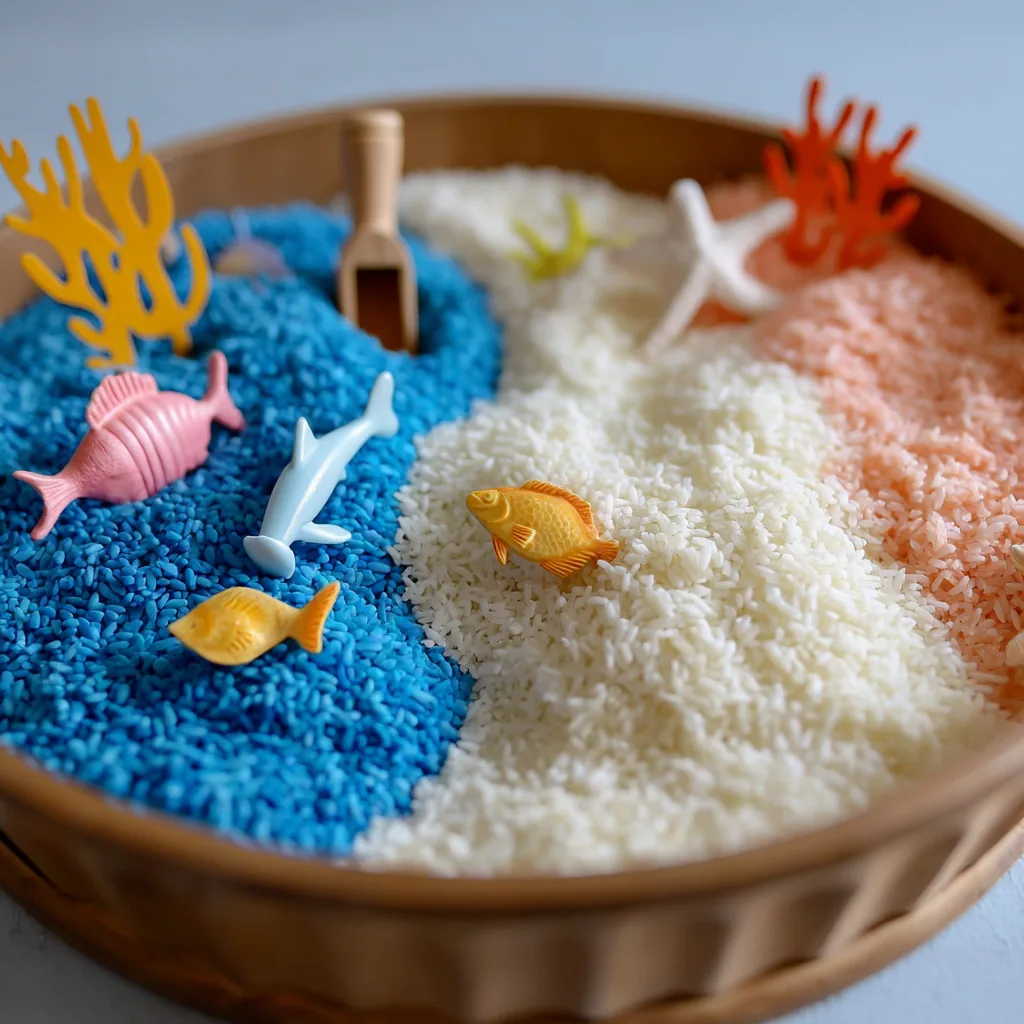
Start by taking a plastic bin and pouring in rice, then add some objects your child may enjoy playing with. For instance, a few trucks or toy cars, large plastic animals, stacking or measuring cups, plastic eggs, funnels, or other toddler-safe toys that are easy to scoop, bury, and find again.
As they scoop, pour, dig, and search through the plastic container, toddlers get practice using their hands with more control while also learning through repetition, texture, and simple cause-and-effect play.
Shaving Cream Tray Play
Put shaving cream on a tray, and most toddlers will have their own way of approaching it. One child may start smearing it around without hesitation, while another just taps it once and pulls back. How they choose to interact is a large part of sensory play, as there is no one-size-fits-all approach to how a child reacts to certain textures.
Over time, activities like this can help toddlers grow more comfortable with new textures while giving them more chances to use their hands, stay engaged, and explore at their own pace.
Ice Cube Color Play
Put one or two ice cubes on a tray or baking sheet and let your toddler mess around with them however they choose. They might slide them back and forth, try to pick them up, or watch the water melt and pool. Playing with ice cubes makes for a great summer activity on a hot day.
The cold sensation adds a different kind of sensory input, giving toddlers a simple way to explore temperature, movement, and change through hands-on-play.
Play-Doh With Real Tools
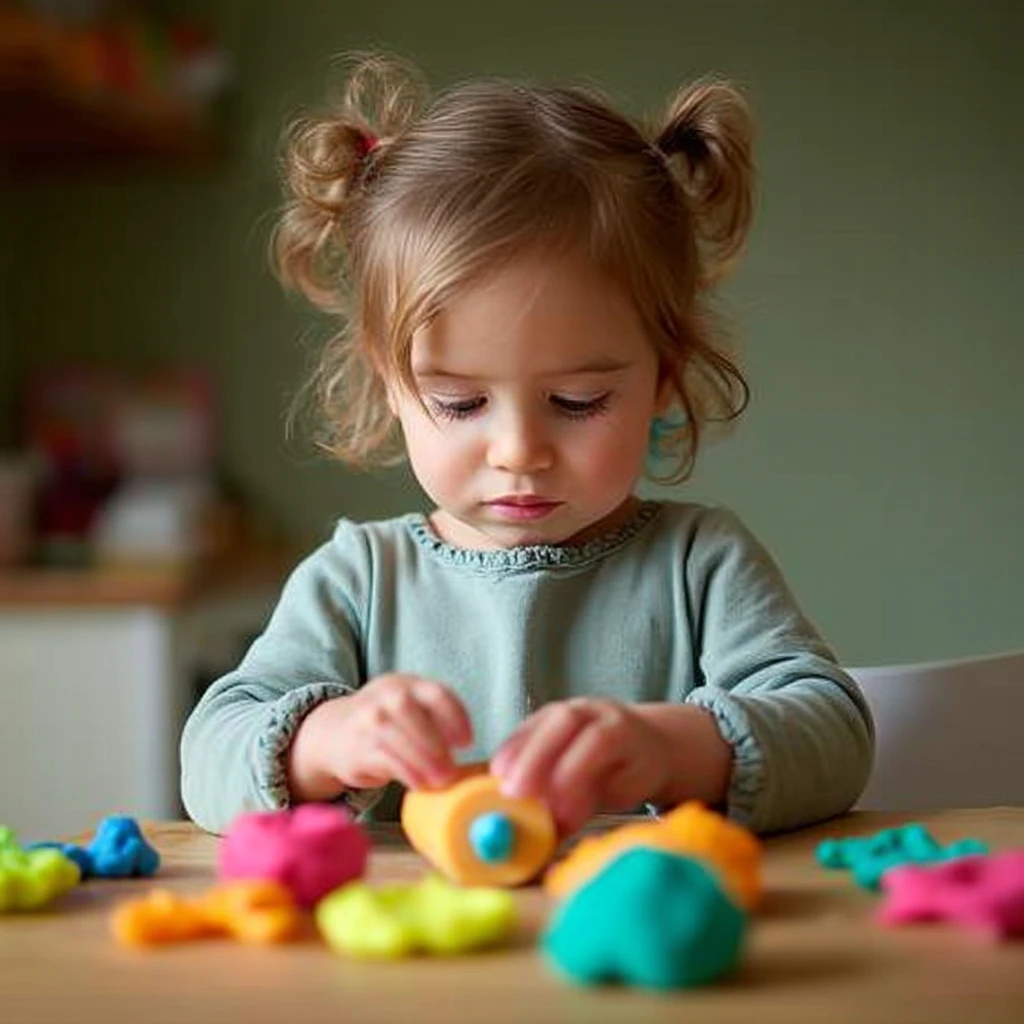
It does not take much to keep a toddler busy with Play-Doh. Give them a small piece, a couple of cookie cutters, and maybe a spoon or rolling pin, and they usually take it from there. They squeeze it, pull it apart, mash it down, and start over.
You can use store-bought Play-Doh or homemade Play-Doh by combining flour, baking soda, vegetable oil, cream of tartar, water, and a few drops of food coloring. To engage additional senses, make scented play-dough by adding a drop or two of vanilla, cinnamon, or other scents your child can tolerate.
This kind of activity gives toddlers more practice with hand strength, coordination, and imaginative play, all while letting them explore texture in a way that feels open-ended and low-pressure.
Lower-Mess Sensory Ideas for Busy Days
There are days when messy sensory activities for toddlers are just not realistic. That is where simpler sensory ideas can help. Your child still get the play, just without as much to clean up afterward.
Outdoor Sensory Activities for Toddlers
A lot of sensory activities work better as outside activities. Parents do not have to worry as much about spills, and toddlers get access to things that feel different from the usual indoor setup, whether that is grass, dirt, water, wind, or the sounds around them.
Sand and Scoop Play
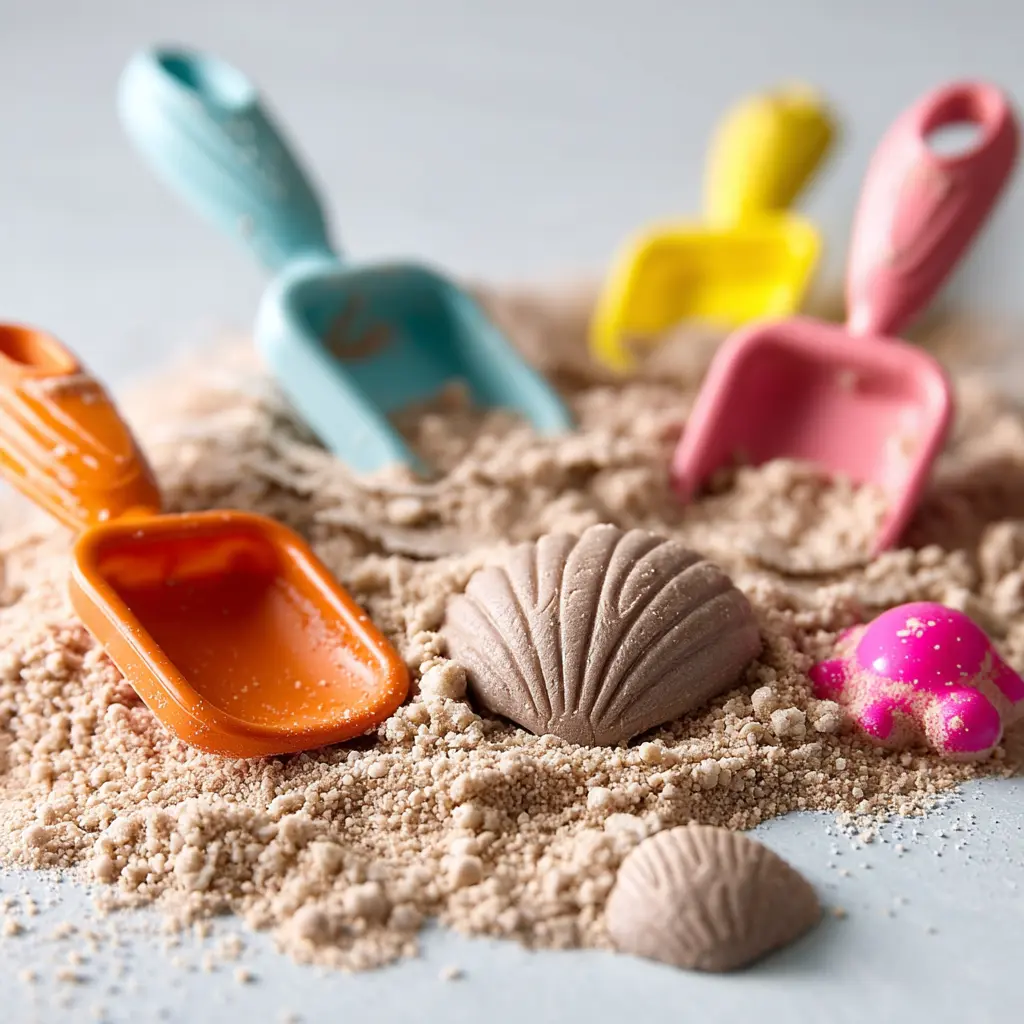
You can do quite a bit with just sand, a scoop, and a few cups. Most toddlers are happy to fill containers, pour them out, and start again without needing anything more complicated. Kinetic sand is another good option if you want something that sticks together a bit more and feels easier to manage indoors.
This kind of repetition helps toddlers build hand control, practice simple cause and effect, and stay focused on one activity for an extended time.
Water Washing Station
Put some water in a shallow bin, add a few cups, brushes, and plastic toys, and toddlers usually know what to do once they are able to explore on their own. They wash things, pour back and forth, and splash until you decide the activity is over.
As toddlers pour, scrub, and rinse, they get practice with hand-eye coordination, early problem-solving, and the kinds of motions that support everyday independence.
Nature Sensory Bin
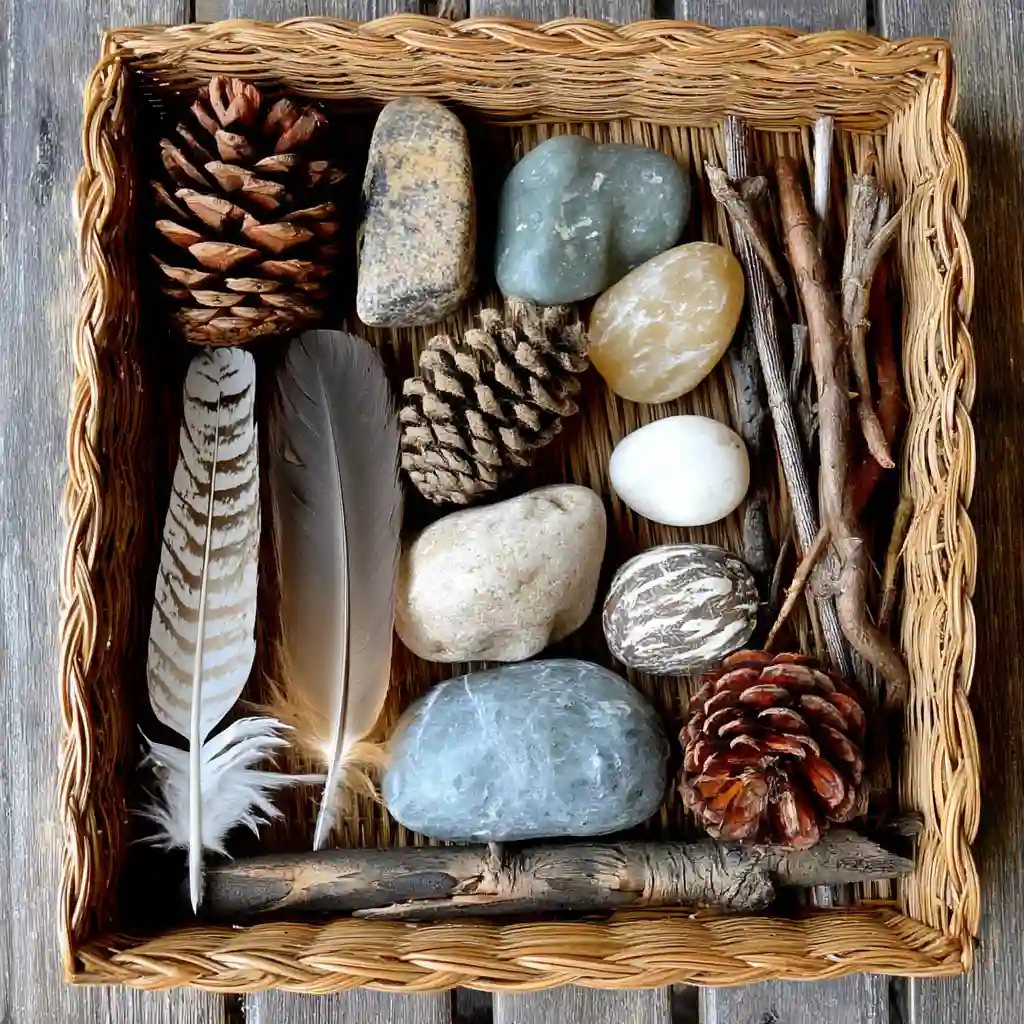
Take a plastic bin outside and fill it with leaves, sticks, grass clippings, large rocks, or petals from the yard. This type of sensory bin changes with the season and introduces toddlers to rough, smooth, dry, damp, soft, and scratchy textures in a very direct way.
Exploring these outdoor materials helps toddlers notice those differences in texture, strengthen observation skills, and become more comfortable with unfamiliar sensory experiences.
Explore Toddler Learning at Primary Beginnings in Raleigh
At Primary Beginnings, hands-on learning is part of everyday early childhood education. Toddlers benefit from opportunities to explore textures, movement, materials, and guided play in ways that fit their age and stage of development. Families looking for a strong early learning environment can learn more about toddler care in Raleigh and what it means to choose a 5-star learning center.
Schedule a tour of one of our three North Raleigh locations by filling out the form below or calling our Spring Forest Road location at 919-790-6888, Falls of Neuse Road location at 919-615-0752, or North Hills Drive location at 919-785-0303.