
Summer is a fun time to spend with your preschooler, playing outside and exploring new…
Toddlers are naturally curious, making this the perfect time to introduce preschool science experiments that encourage observation, creativity, and hands-on discovery. These science activities help children explore the world around them, strengthen fine motor skills, and build confidence through play.
The educators at Primary Beginnings, a 5-star Raleigh preschool, are sharing easy science experiments designed for young kids at home or in the classroom. With simple materials and a hands-on approach, you can introduce basic scientific concepts in fun and accessible ways that support future learning.
Table of Contents
Why Science Experiments Are Important for Preschoolers
There are many benefits of teaching science experiments to children. Showing preschoolers how to explore, observe, and think critically teaches skills that support cognitive development and critical thinking skills now and throughout early education.
What Preschoolers Gain from Hands-On Science Activities
- Observation skills improve as preschoolers watch reactions and changes happen in real time.
- Critical thinking develops as kids make guesses and compare different materials or outcomes.
- Fine motor skills strengthen as children squeeze droppers, stir mixtures, and handle tools.
- Problem solving skills grow as children test ideas and adjust their approach.
- Toddlers learn to understand the world through simple experiments that create excitement and confidence.
These preschool science experiments provide a fun way to introduce preschoolers to science concepts using easy materials you likely have at home.
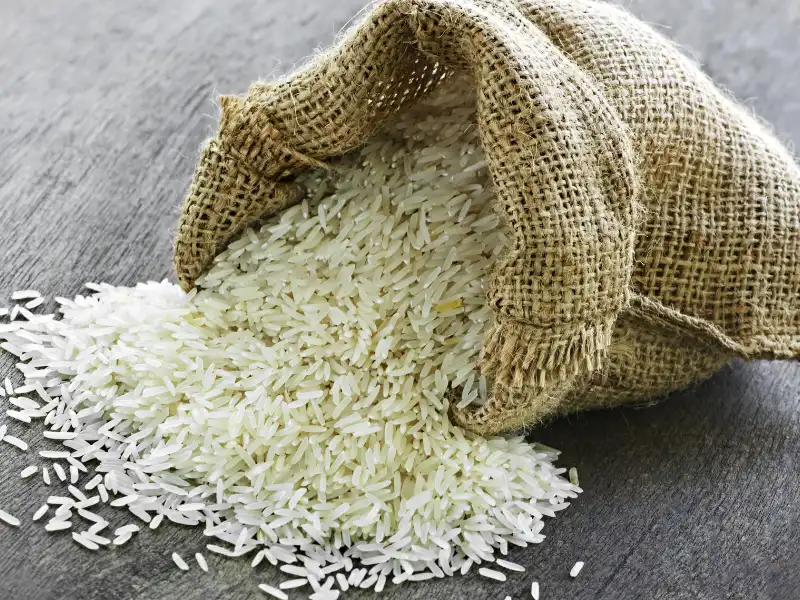
1. Dancing Rice Experiment
This classic experiment is a fun way to explore bubbles, motion, and reactions.
What This Science Activity Teaches
A combination of baking soda and vinegar creates carbon dioxide bubbles that lift grains of rice. It’s a fantastic way to observe how reactions move various objects through water.
Supplies You'll Need
- White vinegar
- Baking soda
- Instant rice
- Clear jar
- Water
- Food coloring (optional)
Instructions
- Fill the clear jar ¾ full of room temperature water.
- Add food coloring if you want a pop of color.
- Stir in 1 tablespoon of baking soda.
- Add ¼ cup of instant rice.
- Pour in 1–2 tablespoons of vinegar.
- Watch as the rice magically dances.
2. Lava Lamp Experiment
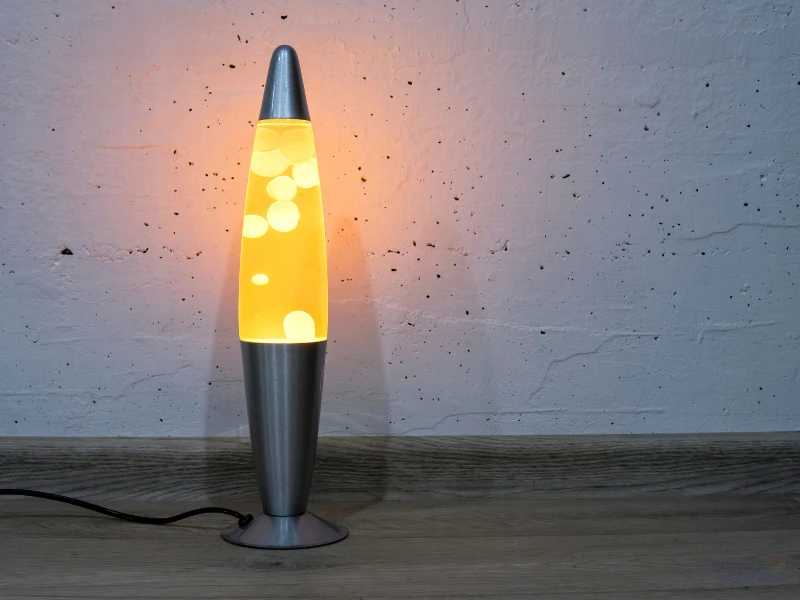
This fun science experiment shows how oil and colored water don’t mix, creating a bubbling lava lamp effect.
Why Kids Love It
This experiment is a fun way to explore different materials, observe reactions, and compare how liquids move on different surfaces.
Supplies You'll Need
- Water
- Clean plastic bottle
- Vegetable oil
- Alka-Seltzer tablets
- Food coloring
Instructions
- Pour ½ cup of water into the bottle.
- Add vegetable oil until almost full.
- Add a few drops of food coloring.
- Drop in half an Alka-Seltzer tablet to start the reaction.
3. Shaving Cream Rain Clouds
This water science experiment helps introduce preschoolers to how rain falls from clouds.
What This Science Activity Demonstrates
Children observe how shaving cream (like a cloud) holds colored water until it becomes saturated and rain falls.
Supplies You'll Need
- Eyedropper or measuring spoon
- Clear glasses or vases
- Food coloring
- Shaving cream
- Small containers
- Water
Instructions
- Fill small bowls with colored water using a few drops of food coloring.
- Fill a clear glass ⅔ full of water.
- Add shaving cream on top.

4. Color-Changing Flower Experiment
This simple experiment is a fun way to explore color theory and capillary action.
What Preschoolers Learn
Flowers absorb colored water through their stems. It’s a colorful way to introduce preschoolers to basic STEM concepts through plants and water movement.

Supplies You'll Need
- White flowers
- Food coloring
- Several glasses or vases
- Water
Instructions
- Check back over the next day as the petals change color.
- Fill each container with water and add a few drops of food coloring.
- Trim each flower’s stem.
- Place each flower into its colored water.
5. Rainbow in a Jar
A fun science experiment that explores density layers using liquids of different weights.
What Kids Observe
Each liquid forms a separate color layer, helping children explore science concepts like density and separation.
Supplies You'll Need
- Mixing bowls
- 1 jar
- Dish soap
- Rubbing alcohol
- Light corn syrup
- Olive oil
- Food coloring
Instructions
- Mix corn syrup with red and blue food coloring for the purple base.
- Carefully layer dish soap, green colored water, olive oil, and red rubbing alcohol.
- Watch the rainbow form inside the jar.

6. Air Pressure Experiment
Kids explore how air can move objects—an engaging hands-on experiment for curious minds.
Why This Works
Air takes up space and can create force. This experiment helps preschoolers explore how air pressure works and how force can make objects move.
Supplies You'll Need
- Two kitchen sponges
- Drinking straw
- Plastic zipper bag
- Pom poms
- Tape
Instructions
- Press the sponges to make the pom pom roll.
- Place the sponges inside the bag with a straw between them.
- Seal the bag.
- Blow air into the straw to inflate.
- Place a pom pom in front of the straw.
7. Blow-Up Balloon Experiment
Young kids love this easy experiment because it seems like a magic trick—no blowing required.
Why It Works
Mixing baking soda and vinegar forms carbon dioxide gas, which expands the balloon.
Supplies You'll Need
- Baking soda
- Vinegar
- Balloons
- Water bottles
- Funnel
- Measuring spoons
Instructions
- Watch your balloon blow up.
- Stretch the balloon by blowing it up once.
- Add baking soda to the balloon using a funnel.
- Fill the bottle halfway with vinegar.
- Attach the balloon to the bottle top.
- Lift the balloon so the baking soda falls in.

8. Ice Cube Melting Race
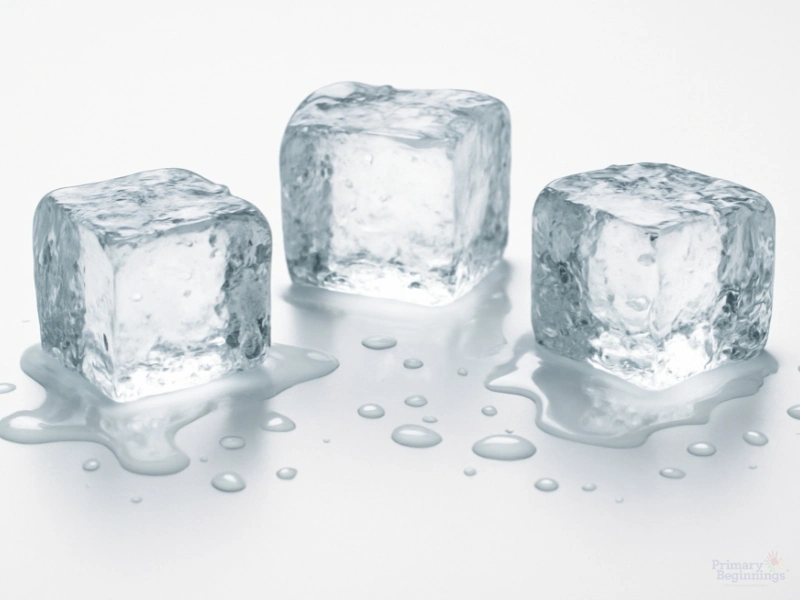
Young kids enjoy this simple experiment because it lets them compare how fast ice melts in different types of water.
Why It Works
The ice cube melting race shows how temperature affects the melting process. Warm water melts ice the fastest, while cold water slows the process—helping preschoolers explore temperature, change, and cause and effect.
Supplies You'll Need
- Timer (optional)
- Ice cubes
- Three small clear containers or cups
- Warm water
- Cold water
- Room temperature water
- Paper towels
Instructions
- Fill one container with warm water, one with cold water, and one with room temperature water.
- Let children feel the outside of each cup to talk about how each one feels.
- Place the same number of ice cubes into each container at the same time.
- Observe which ice melts the fastest and which melts the slowest.
- Optional: Use a timer to track melting time and compare the results together.
Preschool Science Experience FAQs
How do preschool science experiments help preschoolers learn?
They help preschoolers learn by building observation skills, strengthening fine motor skills, and introducing simple experiments that teach basic science concepts in a fun way.
What is the easiest science experiment for young learners?
Experiments using baking soda, food coloring, or a clear container—like magic milk or the walking water science experiment—are the easiest and most engaging.
Can I use recycled materials for preschool science activities?
Yes! Recycled materials like bottles, jars, and paper towels are great tools for hands-on experiments.
How do I introduce preschoolers to science concepts?
Use hands-on activities that allow them to explore different materials, observe changes, and compare results.
Are these science activities safe for young kids?
Yes—when supervised. All experiments use household items and avoid harsh chemicals.
Visit Primary Beginnings for More Hands-On Preschool Science
At Primary Beginnings, our teachers use a hands-on approach to help explore science, strengthen problem solving skills, and build confidence throughout our early learning programs. Our preschool science activities encourage curiosity, creativity, and classroom engagement through fun, hands-on discovery.
Call our North Hills Drive location at (919) 785-0303, our Spring Forest Road location at (919) 790-6888, our Falls of Neuse Road location at (919) 615-0752, or fill out our contact form to schedule a tour at one of our three Raleigh preschools.