
Considering a preschool program for your child in Raleigh? At Primary Beginnings we have everything…
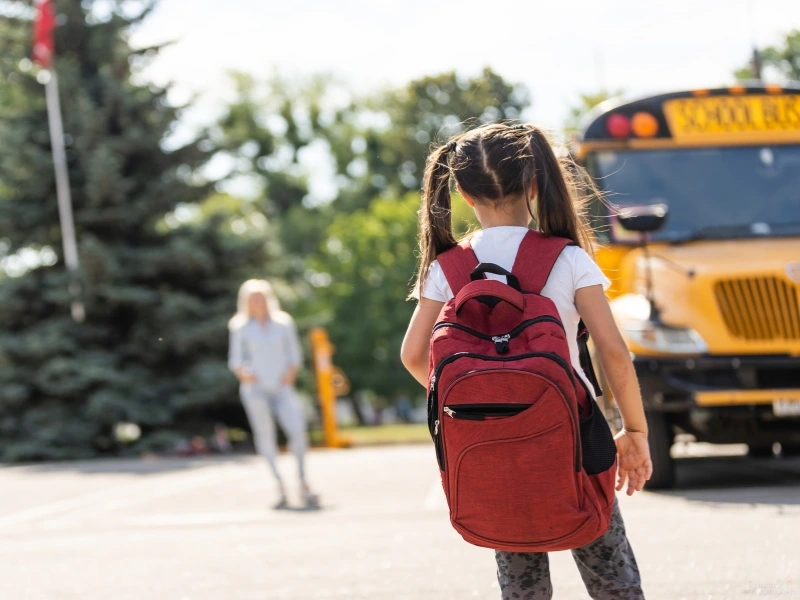
A back to school checklist for parents should include time-sensitive things first, such as completing health forms, making pre-school doctor's appointments, noting important back-to-school dates, buying new back-to-school clothes, and planning child care arrangements. Then you can move on to school supplies, bedtime routines, lunches, transportation, and first-day details as the school year gets closer.
It's important for families to remember that all these details don't need to be handled at once. Breaking back-to-school preparation into a few smaller stages gives you time to deal with the important things without turning the last weekend of summer into a long, stressful errand.
Table of Contents
Why Every Family Needs a Back to School Checklist
A back to school checklist for parents keeps small tasks from piling up and gives your family a clear path for a smooth transition from summer into the new school year. Instead of trying to remember everything at once, you can work through what needs to happen now, what can wait, and what your child can help prepare for.
A checklist can help your family:
- Avoid last-minute scheduling problems: Doctor's appointments, school forms, orientations, and child care arrangements are easier to handle when they're identified early.
- Shop for what your child actually needs: Waiting for the official school supply list can prevent duplicate purchases and unnecessary spending.
- Stay on top of important school dates: Adding open houses, teacher workdays, holidays, and other events to the family calendar reduces scheduling surprises.
- Ease children back into school routines: Gradually adjusting bedtime, wake-up times, meals, and school drop off can make the first week feel more familiar.
- Give younger kids time to prepare emotionally: Talking through what the day will look like and visiting the classroom when possible can help children feel more comfortable and confident they will have a successful school year.
- Make mornings easier: Planning clothes, backpacks, lunches, and transportation ahead of time means fewer things to solve while everyone is trying to get out the door.
For younger children, that preparation can be especially useful. Primary Beginnings' preschool and pre-K programs help children become more comfortable with classroom routines while building social, emotional, physical, and early learning skills.
Phase 1: 4 to 6 Weeks Before School Begins
The first round of preparation should focus on the things you can't necessarily finish in a single afternoon.
Phase 2: 2 to 3 Weeks Before the School Year Begins
As the school year approaches, you can turn your attention to everyday supplies and start bringing school-night routines back into the house.
Phase 3: The Week Leading Up to the First Day
The week leading up to school is the right time to practice what an ordinary weekday will actually look like.
Phase 4: Administrative Prep and Paperwork
This is the part of the school checklist for parents that is easiest to forget because much of it happens online or on paper.
Phase 5: The First Day and First Week of School
Once the first day of preschool arrives, don't worry about making every routine perfect. Watch what works and make small adjustments.
Keep First Day Photos Quick
If your family loves first day photos, take them. Just build in a few extra minutes. Have the backpack, sign, and anything else you want in the photo ready the night before. A quick picture on the porch is much more enjoyable than realizing you're now ten minutes late because everyone was trying to recreate the perfect shot.
Pack Familiar, Healthy Options for Lunch and Snacks
School lunch doesn't need to be elaborate. Choose healthy options your child already eats and containers you know they can open. The first week isn't the best time to experiment with a completely new lunch. Pay attention to what comes home. An untouched sandwich or unopened container can tell you what needs adjusting in the coming days and weeks.

Keep Communication Open With Teachers and Your Child
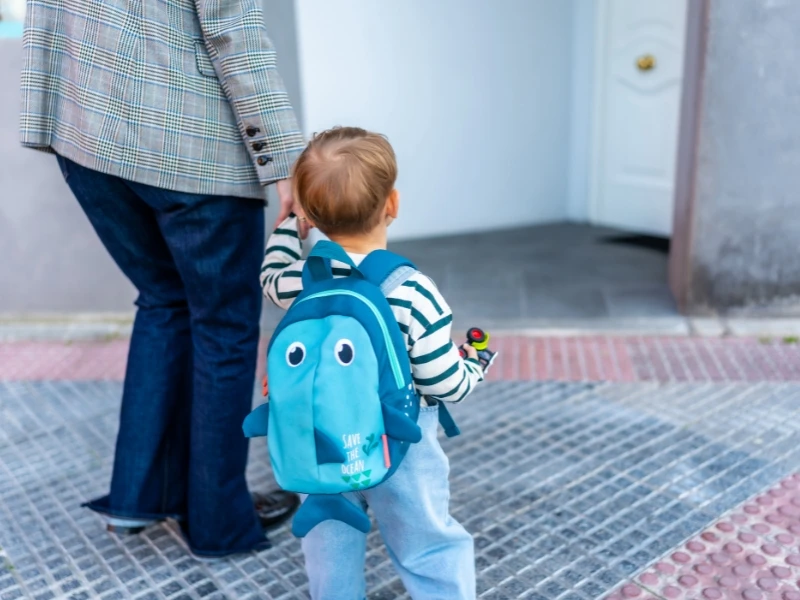
Learn how your child's teachers prefer to communicate. It may be email, an app, a parent portal, a folder sent home, or a combination. Check those channels regularly so you can stay connected without feeling like you need to monitor every hour of the day.
Keep open communication going with your child, too.
Instead of asking only, "How was school?" try something more specific:
- "What made you laugh today?"
- "Who did you sit with?"
- "What was the hardest part?"
- "What did you do at recess?"
Those questions tend to give parents a much clearer picture of how a child is settling in.
Get Ready to Go Back to School with Our 5-Star Preschool in Raleigh
A new school year brings plenty of changes, especially for younger children getting used to new routines, classrooms, and expectations. The right preschool environment can make that transition feel much more familiar.
Primary Beginnings provides 5-star preschool programs in Raleigh focused on helping children build independence, confidence, social skills, and a strong foundation for learning. If you're preparing your child for the upcoming school year, explore our preschool programs and schedule a tour to see how we support children as they get ready for school.
You can reach us at one of our three locations in Raleigh. Call 919-785-0303 for North Hills Drive, 919-790-6888 for Spring Forest Road, and at 919-615-0752 for Falls of Neuse Road, or fill out our contact form below to get started.